Key points:
- The DOJ has prohibited its lawyers from attending or participating in ABA events in any official capacity.
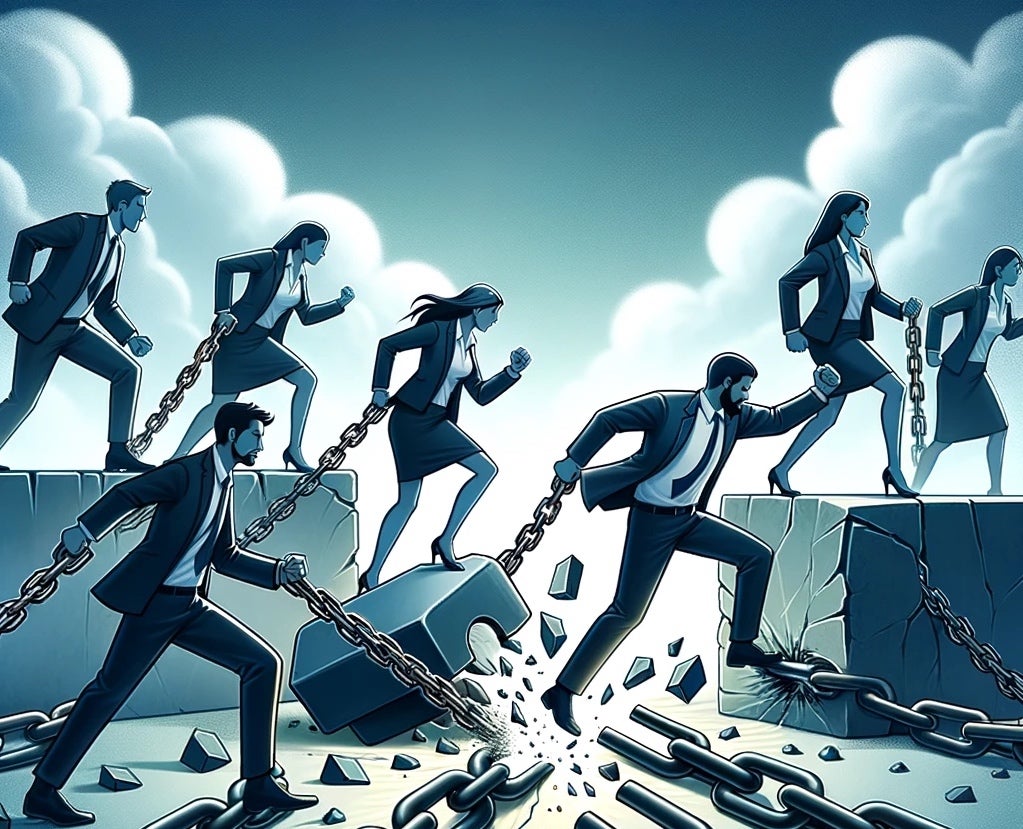
- The move follows the Trump administration’s growing campaign against law firms and legal organizations it views as adversarial.
- Career DOJ lawyers may still attend ABA events privately and at personal expense.
The U.S. Department of Justice has issued a directive barring its lawyers from participating in American Bar Association (ABA) functions, intensifying the Trump administration’s clash with legal institutions. The decision, outlined in a memo from Deputy Attorney General Todd Blanche, prohibits DOJ lawyers in policy-related roles from speaking at, attending, or participating in ABA events in any official capacity, and halts the use of taxpayer funds for such engagements.
The memo, obtained by The New York Times, also bars DOJ officials from writing for or publishing in ABA-sponsored media without specific approval and prohibits them from holding roles within the organization. The only exemption applies to career DOJ attorneys in non-policy roles, who may attend ABA events on their own time and at their own expense.
Blanche described the ABA as “free to litigate in support of activist causes,” but warned that department attorneys must avoid any conduct that “undermines or appears to undermine the department’s core mission of administering justice in a fair, effective, and evenhanded manner.”
The Justice Department’s disengagement from the ABA marks a dramatic shift. DOJ officials have historically played prominent roles in ABA events, offering legal insights, engaging in policy discussions, and promoting rule-of-law initiatives. The new directive effectively ends that tradition and aligns with President Trump’s broader campaign targeting law firms, attorneys, and legal organizations viewed as oppositional.
The order coincided with additional executive actions signed by Trump on Wednesday, including penalties against law firm Susman Godfrey and the revocation of security clearances for former officials Christopher Krebs and Miles Taylor. While Blanche’s memo did not explicitly cite these actions, it follows a pattern of retaliation against perceived critics within the legal community.
The ABA, which has over 400,000 members, has consistently emphasized the importance of attorney independence. In a previous statement, ABA President William R. Bay warned that clients “have the right to have access to their lawyer without interference by the government.”
While the Justice Department did not provide further explanation for the move, the ABA’s past amicus filings in cases involving abortion rights, affirmative action, and the First Amendment were cited as examples of the organization’s political leanings.
This latest escalation puts the country’s largest legal organization on the defensive and raises questions about how the federal legal community will interact with professional associations going forward. As the administration’s broader legal crackdown continues, the memo signals a chilling shift in how government lawyers may engage with independent legal bodies.