FutureLaw, organized by the Stanford Center for Legal Informatics (CodeX), explored the transformative impact of technology on the legal profession and society in its 11th edition.
CS Disco Inc. welcomes Eric Friedrichsen as its new CEO, taking the reins after a series of controversies including the former CEO's resignation amid allegations.
In 2024, the legal industry has seen a 25% increase in law firm mergers so far, with significant activity in smaller-firm acquisitions and cross-border deals, as reported by Fairfax Associates.
Krista Whitaker joins the Chicago Bears as Chief Legal Officer, bringing her sports law expertise from her time with the Miami Heat to aid in the team's future developments, including a new stadium project.
Early data from the February 2024 bar exam indicates an improvement and a rise in the national mean scaled score, suggesting a stabilization of pass rates after years of decline due to the COVID-19 pandemic.
A comparative analysis of pro-bono work initiatives in the U.S. and the UK shows increased efforts to provide free legal services to marginalized communities, with differing approaches in each country.
The Lillian Goldman Law Library at Yale and the Center for Open Science launched Law Archive, an open access platform for legal scholarship, to facilitate free access to legal research.
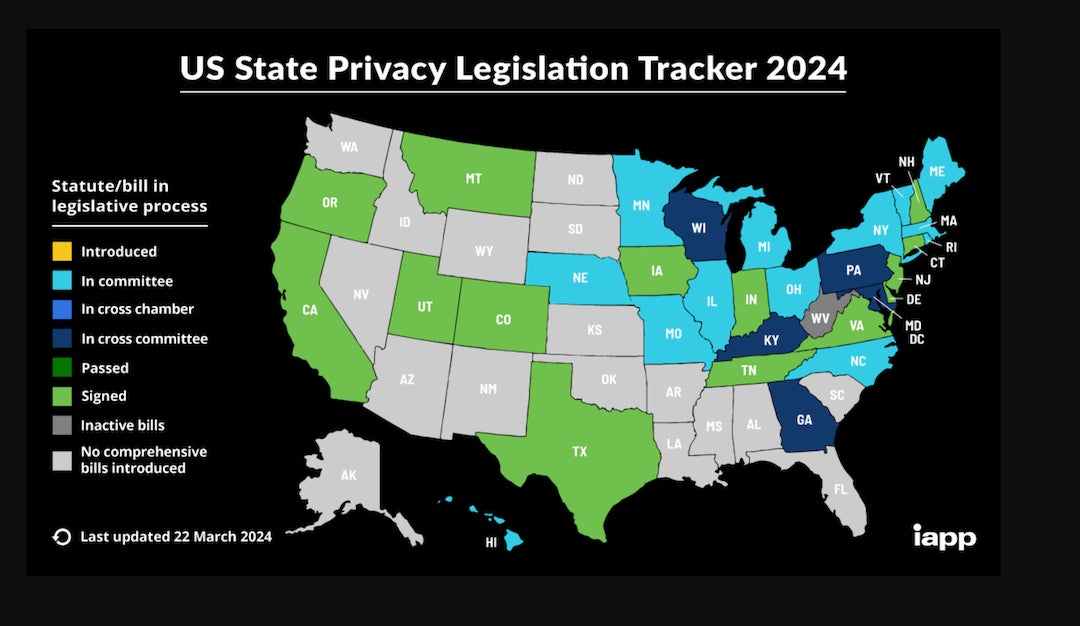
A total of 15 states have taken action to protect consumers’ personal data and regulate businesses’ use of this data. The latest states are Texas, Oregon, and Montana.
Lateral hiring and Summer Associate recruiting at law firms dropped to their lowest in over a decade in 2023, signaling a cautious approach to hiring amid anticipated lower demand.