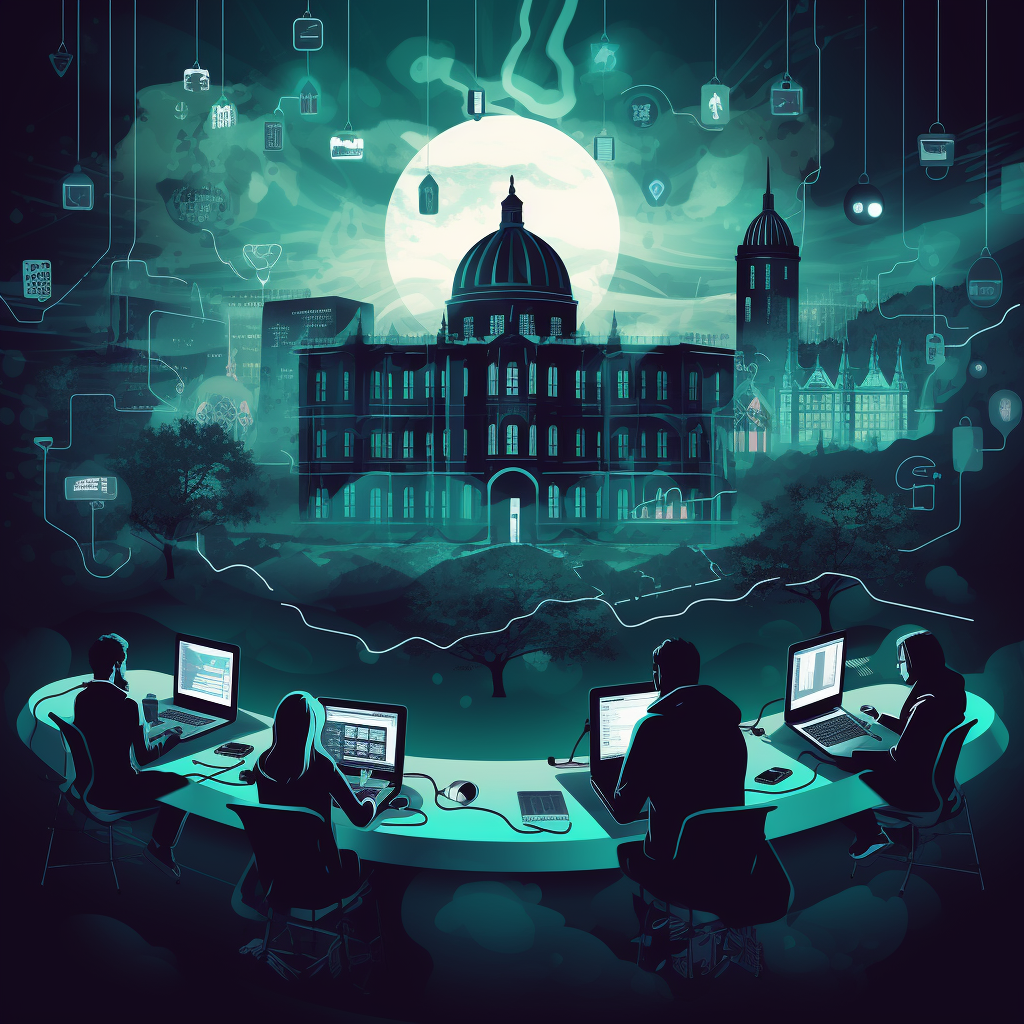
A notable case involves Penn State University, which is accused of non-compliance with DoD cybersecurity obligations and falsely attesting to DFARS compliance since 2018.
Given the rapid advancements in artificial intelligence and its increasing capability to generate content, the legal landscape surrounding AI's authorship rights has become a topic of significant debate.
Jonathan Leiken Joins Dollar Tree, Inc. as Executive VP, Chief Legal Officer: A seasoned legal expert, Leiken brings over 20 years of experience in corporate governance, regulatory compliance, and commercial litigation to fortify Dollar Tree's leadership team.
Tesla prepares for its first trials involving fatalities allegedly caused by its Autopilot system. The outcomes could have significant implications for the company, Elon Musk, and the broader landscape of autonomous driving technologies.
The EU's Digital Services Act (DSA) imposes new regulations on major tech platforms to enhance online safety and curb harmful content. Learn which companies are affected, what changes are being implemented, and the potential global impact of this legislation.
The Commission issued a Notice of Proposed Rulemaking to implement the Pregnant Workers Fairness Act. The legislation is currently open for public comment.
Law firms are investing thousands of hours and hundreds of thousands of dollars in diversity, equity, and inclusion initiatives. Still, it might not be enough.