Meta, Adobe, and Airbnb warn investors about compliance costs and legal risks under the EU AI Act, which imposes strict regulations on AI systems with hefty fines for violations.
The American Bar Association's Task Force on Law and Artificial Intelligence has released new guidelines to help courts integrate AI while maintaining judicial integrity.
A federal judge has ruled that ROSS Intelligence infringed on Thomson Reuters' copyrighted content, rejecting the fair use defense in a pivotal decision impacting AI legal research.
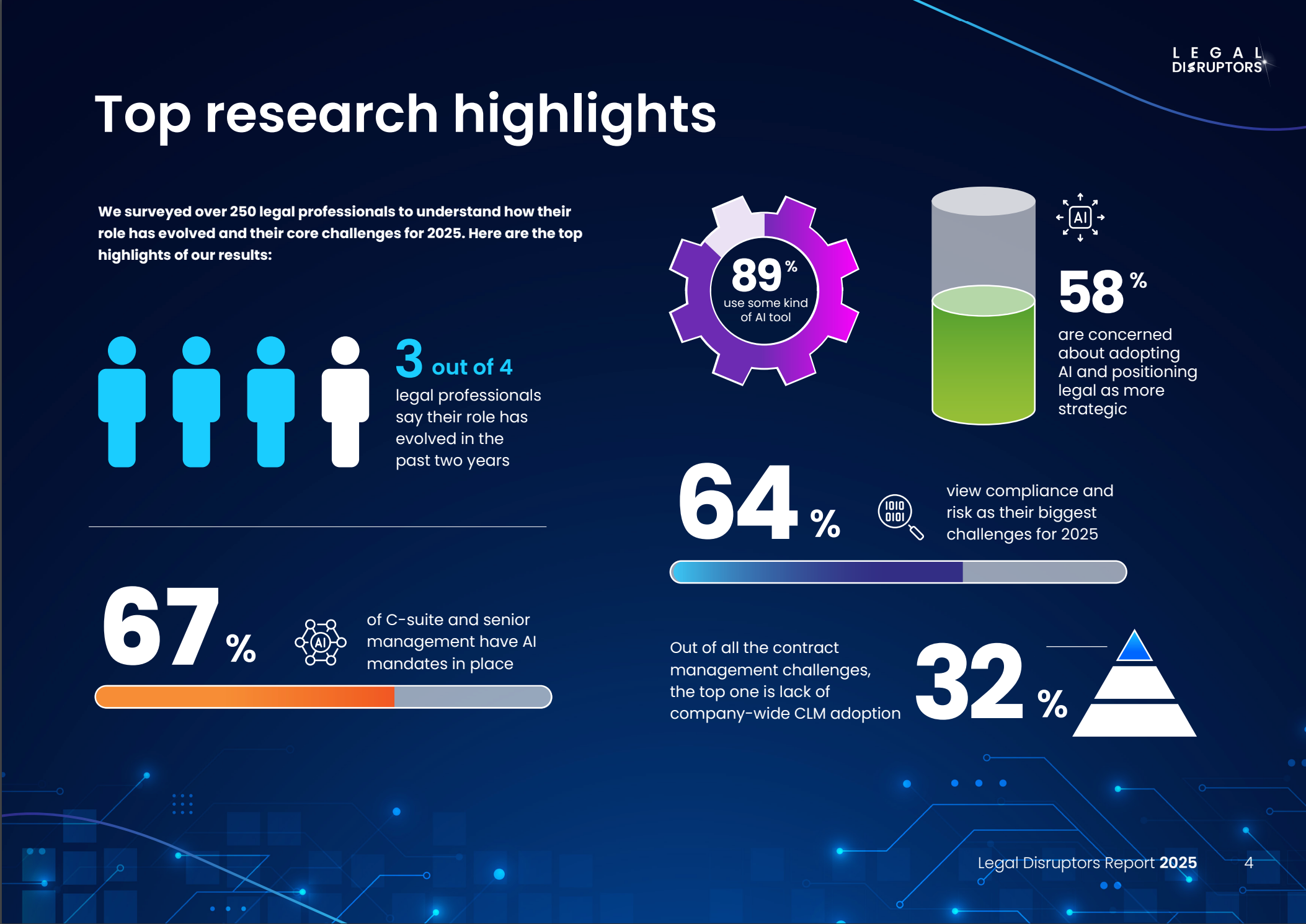
The Legal Disruptors 2025 Report from Summize found that 89% of companies use AI tools, but 53% have no formal AI mandate in place. Without structured guidance, many legal teams risk falling behind or unintentionally exposing their companies to security and compliance risks.
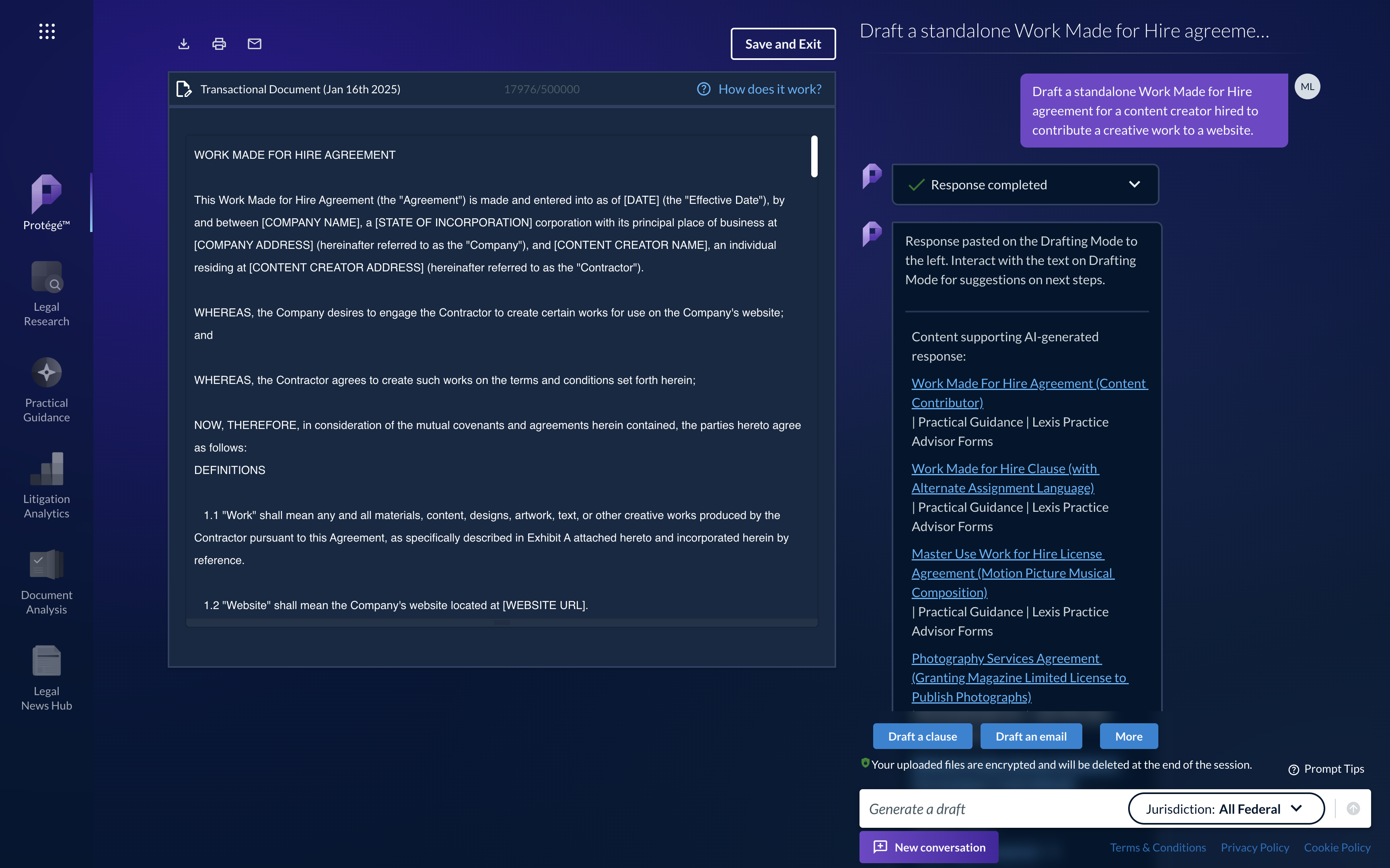
LexisNexis announced the general availability of Protégé, a personalized artificial intelligence assistant for legal work, which includes a variety of features, including agentic AI, and enhanced personalization.
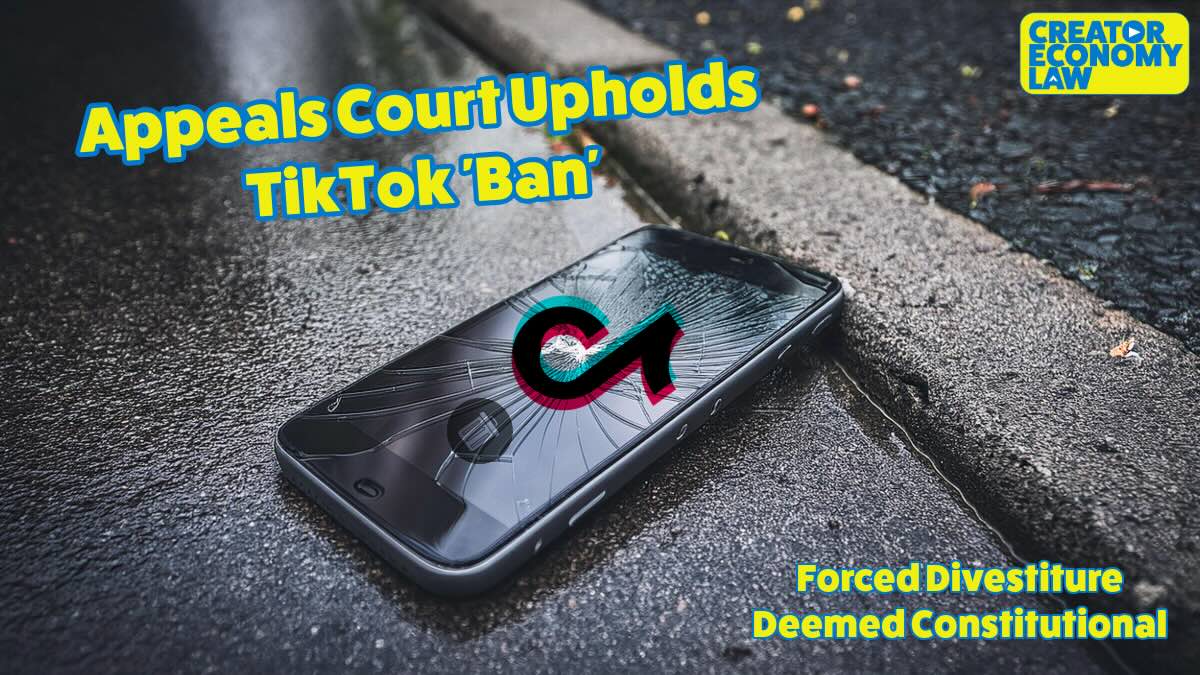
On December 6, 2024, the U.S. Court of Appeals upheld the Protecting Americans from Foreign Adversary Controlled Applications Act, mandating ByteDance to divest TikTok U.S. The court deemed ownership a national security risk due to potential Chinese government interference. TikTok’s arguments against the Act’s constitutionality were rejected, affirming the law’s necessity.
Starting February 2, 2025, AI literacy is required under the EU AI Act. If your company uses AI system outputs in the EU or your company is providing AI systems there, now’s the time to prepare.
After launching an AI program in 2017 focused on cloud migration, the firm has entered the second phase of its AI program, centered on generative AI and a larger internal team.
California has passed two comprehensive bills providing AI content watermarking requirements and safety checks to prevent AI-triggered catastrophic events. Both bills were sent to Gov. Newsom for approval.
A USPTO update clarifies that subject matter eligibility of an invention is not impacted by the employment of AI to aid in its creation, so USPTO examiners are urged not to take AI into account in their analysis.