John Quinn, founding partner, discusses a proprietary AI tool, built on Anthropic, that can be used in litigation to prepare expert witness reports, examination outlines, etc.
A Manhattan judge's decision in United States v. Heppner delivers a clear warning to corporate legal teams: using public AI tools like Claude or ChatGPT for legal queries is not protected by attorney-client privilege or work product doctrine.
A veteran Supreme Court advocate tested whether generative AI could outperform his own oral argument, highlighting both the promise and limits of large language models in high stakes appellate practice.
Legal teams are accelerating AI adoption but face growing governance and oversight challenges as risk, competency gaps, and policy frameworks struggle to keep pace with rapid deployment.
An RSGI study of 29 law firms and 11 in-house teams shows legal AI tools embedding in daily work, with rapid time-to-value and a growing focus on in-house impact.
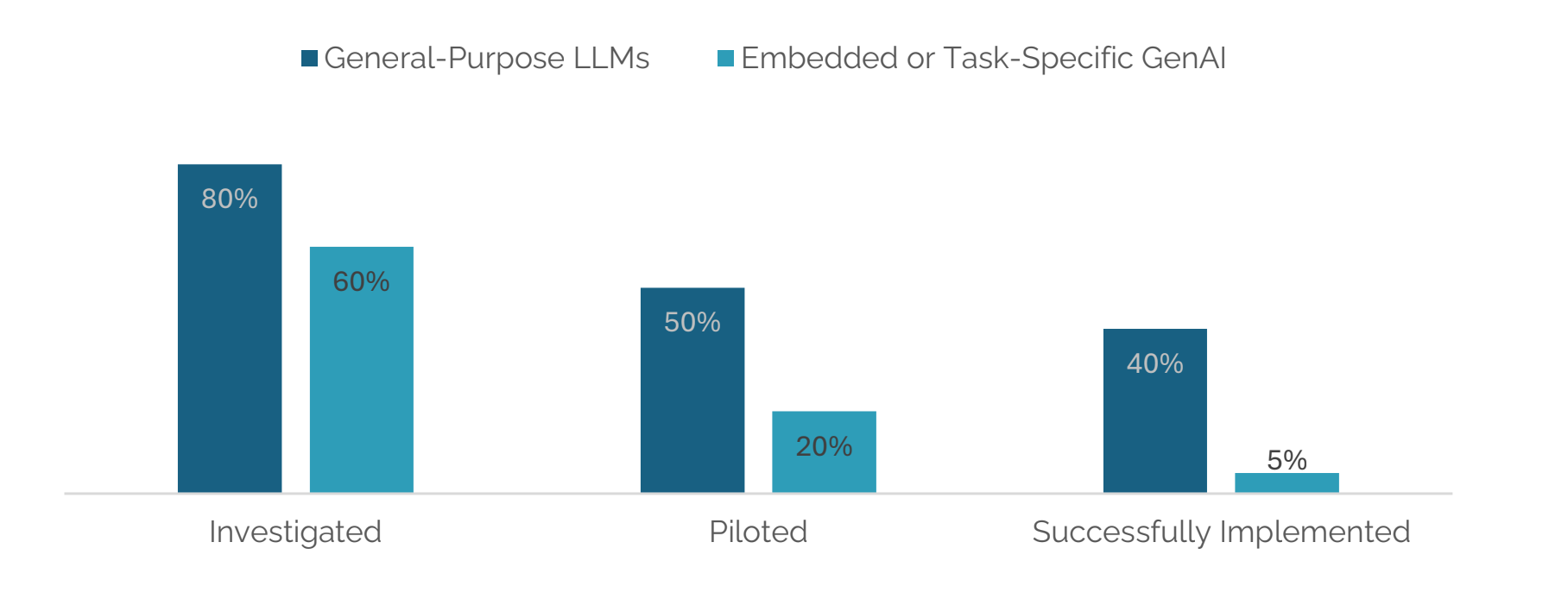
A July 2025 MIT study finds 95% of enterprise AI deployments fail to deliver value. Back-office automation and vendor partnerships emerge as key to success.
Wall Street banks outline new AI risks including software hallucinations and cybercrime, emphasizing the need for robust governance to navigate these challenges.