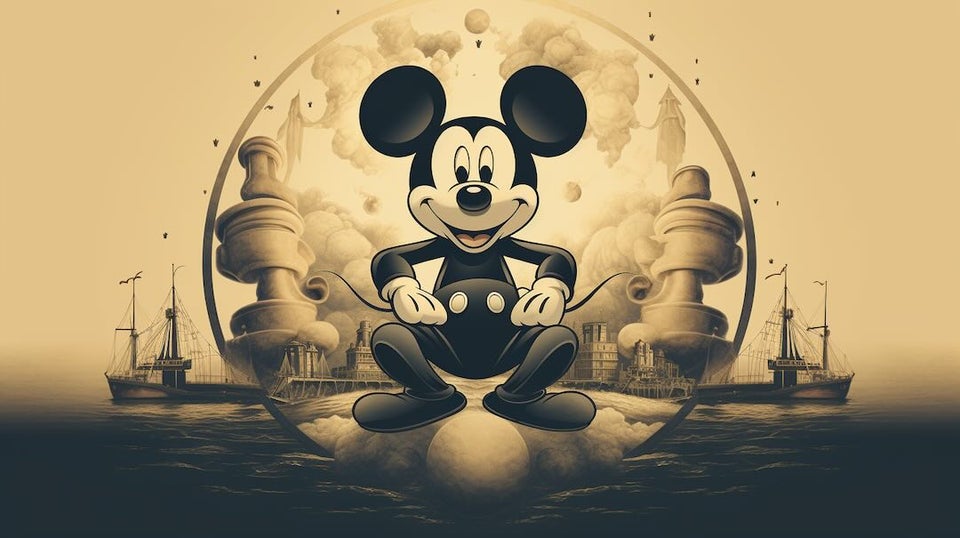
On January 1, 2024, a significant event in the realm of intellectual property occurred: Mickey Mouse, specifically the version from the 1928 animated short "Steamboat Willie," transitioned into the public domain in the United States. This event marks the end of nearly a century of copyright protection for one of the most iconic characters in entertainment history. The significance of this moment extends beyond just Mickey Mouse; it symbolizes a shift in the cultural and legal landscape of copyright law and its impact on creativity and the public domain.
The journey to this point has been complex. Disney, the corporate custodian of Mickey Mouse, has historically been a staunch advocate for extending copyright terms. This advocacy led to the implementation of laws extending copyright duration to 95 years, colloquially dubbed the "Mickey Mouse Protection Act." Critics have argued that such extensions stifle creativity and limit access to cultural heritage, as they not only protect famous works but also obscure a wide range of cultural materials from public access.
However, Disney's relationship with the public domain is multifaceted. The company has a long history of drawing inspiration from public domain works, creatively reimagining stories and characters that have been a part of our collective cultural heritage. Films like "Frozen," "The Lion King," and "Fantasia" are testaments to Disney's ability to build upon and reinvent stories and characters from the public domain, such as Hans Christian Andersen’s "The Snow Queen" and Shakespeare’s "Hamlet".
With "Steamboat Willie" entering the public domain, the door opens for artists, filmmakers, and creators to reimagine Mickey Mouse in new and innovative ways. This includes adapting and remixing the material, creating new stories, or even critiquing the original content. Such freedom, however, comes with legal nuances. Creators must navigate the landscape carefully, ensuring they use only the elements of Mickey Mouse that are in the public domain (mainly the 1928 version) and avoid implying any endorsement or production by Disney.
Disney retains copyrights and trademarks over later versions of Mickey Mouse, such as the "Sorcerer’s Apprentice" Mickey from "Fantasia." Thus, while the original Mickey is now publicly accessible, Disney's broader intellectual property rights, particularly in brand identity and modern iterations of the character, remain protected. This balance illustrates the ongoing dance between copyright expiration, public domain freedom, and trademark protection.
The distinction between copyright and trademark rights is crucial. Copyright protects creative works, while trademarks protect brands and identifiers to avoid consumer confusion. As Mickey Mouse enters the public domain, Disney's trademark rights continue to play a role, particularly in preventing confusion regarding the source or sponsorship of new Mickey-related products or works. This means that while creators can use the 1928 Mickey Mouse character, they must do so in a way that does not mislead consumers into believing that their work is associated with or endorsed by Disney.
The transition of Mickey Mouse into the public domain is not just a legal milestone; it's a cultural one. It represents a shift in how we view and interact with beloved characters that have been part of our collective consciousness for almost a century. The evolution of Mickey Mouse in the public domain will likely be a fascinating reflection of creativity, legal interpretation, and the enduring impact of iconic characters on our culture.