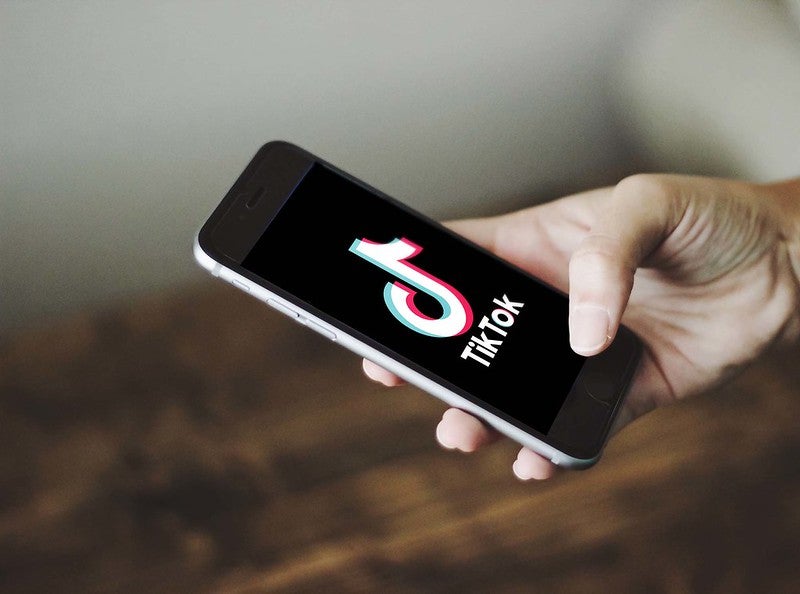
The future of TikTok in the United States remains uncertain following a critical hearing on Monday, where a panel of federal judges in the U.S. Court of Appeals for the D.C. Circuit intensely questioned both TikTok and the Justice Department. The judges wrestled with the constitutionality of a new law that could compel the app to sever ties with its Chinese parent company, ByteDance Ltd., or face a nationwide ban.
An Unprecedented Legal Battle
The law in question, passed with strong bipartisan support in April, mandates that TikTok divest from its Beijing-based owner by January 19 or be banned in the U.S. TikTok, along with a group of content creators and the media nonprofit BASED Politics, is challenging the law. They argue that it infringes upon the First Amendment rights of over 170 million American users and that Congress failed to consider less drastic measures to address national security concerns.
During the two-hour hearing, the three-judge panel—comprising Chief Circuit Judge Sri Srinivasan (an Obama appointee), Judge Neomi Rao (appointed by Donald Trump), and Judge Douglas Ginsburg (a Ronald Reagan appointee)—honed in on China’s current influence over TikTok and two potential future risks:
- The possibility of the Chinese government demanding access to sensitive U.S. user data.
- The risk of China altering TikTok’s recommendation algorithms to spread propaganda.
First Amendment vs. National Security
The judges scrutinized whether TikTok’s relationship with ByteDance could undermine its claim to First Amendment protections, given that foreign entities operating abroad do not enjoy these rights. They also explored the extent to which TikTok’s content curation occurs in China versus the U.S.
“In a typical situation—a company without foreign control—introducing content manipulation as an issue sets off First Amendment alarm bells,” noted Chief Judge Srinivasan. “But this case is hardly typical.”
Judge Ginsburg added, “Certainly there’s no precedent, no case going either way involving a designated adversary nation. That might have something to do with the level of scrutiny that a court should apply to a judgment by Congress about a foreign power.”
TikTok’s attorney, Andrew Pincus, argued that the law is unusual and targets the company without sufficient evidence of wrongdoing. He contended that it violates the expressive rights of American users and creators who rely on the platform for communication and expression.
Government’s Stance on National Security
The Justice Department maintains that the law serves crucial national security interests and that only divestment can address the concerns posed by TikTok’s Chinese ownership. They argue that the Chinese government could compel ByteDance to hand over user data or manipulate content, posing a significant threat to U.S. security.
The DOJ’s attorneys faced tough questions from the judges about the lack of concrete evidence linking TikTok to Chinese intelligence activities. When posed with hypotheticals about a law that would suppress all foreign-owned platforms, the government’s position appeared less tenable.
Legal Experts Weigh In
Alan Morrison, a constitutional law expert and dean at the George Washington University Law School, observed, “I’ve listened to a lot of oral arguments, and I usually have a pretty good sense of who’s going to win. But I don’t have a sense here because they seemed unhappy with everybody.”
Jacob Huebert, representing BASED Politics, remarked after the hearing, “There were challenging questions for both sides, so there’s no telling how any given judge is going to come out on this.”
Broader Implications for Tech and Free Speech
The case highlights the complexities of controlling major tech platforms in a globalized era. While tech giants like Google and Apple face antitrust scrutiny, TikTok’s overseas ownership raises untested questions about the extent to which constitutional freedoms can constrain Congress amid national security threats.
The judges referenced previous cases to navigate these uncharted waters, including Lamont v. Postmaster General, where the Supreme Court upheld Americans’ rights to receive mail from abroad deemed communist propaganda.
Judge Rao suggested that TikTok’s arguments seemed to request the court to treat Congress as if it were an administrative agency. “Congress doesn’t legislate all the time, but here they did. They actually passed a law, and many of your arguments want us to treat them like they’re an agency,” she said to Pincus. “It’s a very strange framework for thinking about our first branch of government.”
Pincus responded that the law is unprecedented in its approach, aiming to set broader standards for companies controlled by adversarial powers while specifically targeting TikTok for immediate action.
What’s Next?
Both TikTok and the Justice Department have requested a ruling by December 6, anticipating a possible appeal to the Supreme Court. The looming deadline adds to the tension, with the ban slated to take effect on January 19 unless the court intervenes.
An analysis by Bloomberg Intelligence suggests that TikTok has a 60% chance of success at the D.C. Circuit level. However, given the case’s complexity and the judges’ apparent skepticism toward both sides, the ultimate outcome remains uncertain.
Implications for the Tech Industry
The ramifications extend beyond TikTok. Competitors like Google, Meta Platforms, and Snap could benefit from a TikTok ban, while companies like Oracle, which currently provides hosting services for TikTok, could face setbacks.
As the judges grapple with balancing national security concerns against constitutional protections, the case sets the stage for a potentially landmark decision. It could redefine the boundaries of government authority over foreign-owned technology companies operating in the U.S. and has significant implications for free speech, international business, and national security.
The decision now rests with the panel of judges, whose ruling could chart new legal territory and influence the digital landscape for years to come.